DESIGNER SPOTLIGHT: LEO WOLFF
Interview By Sarah Norris
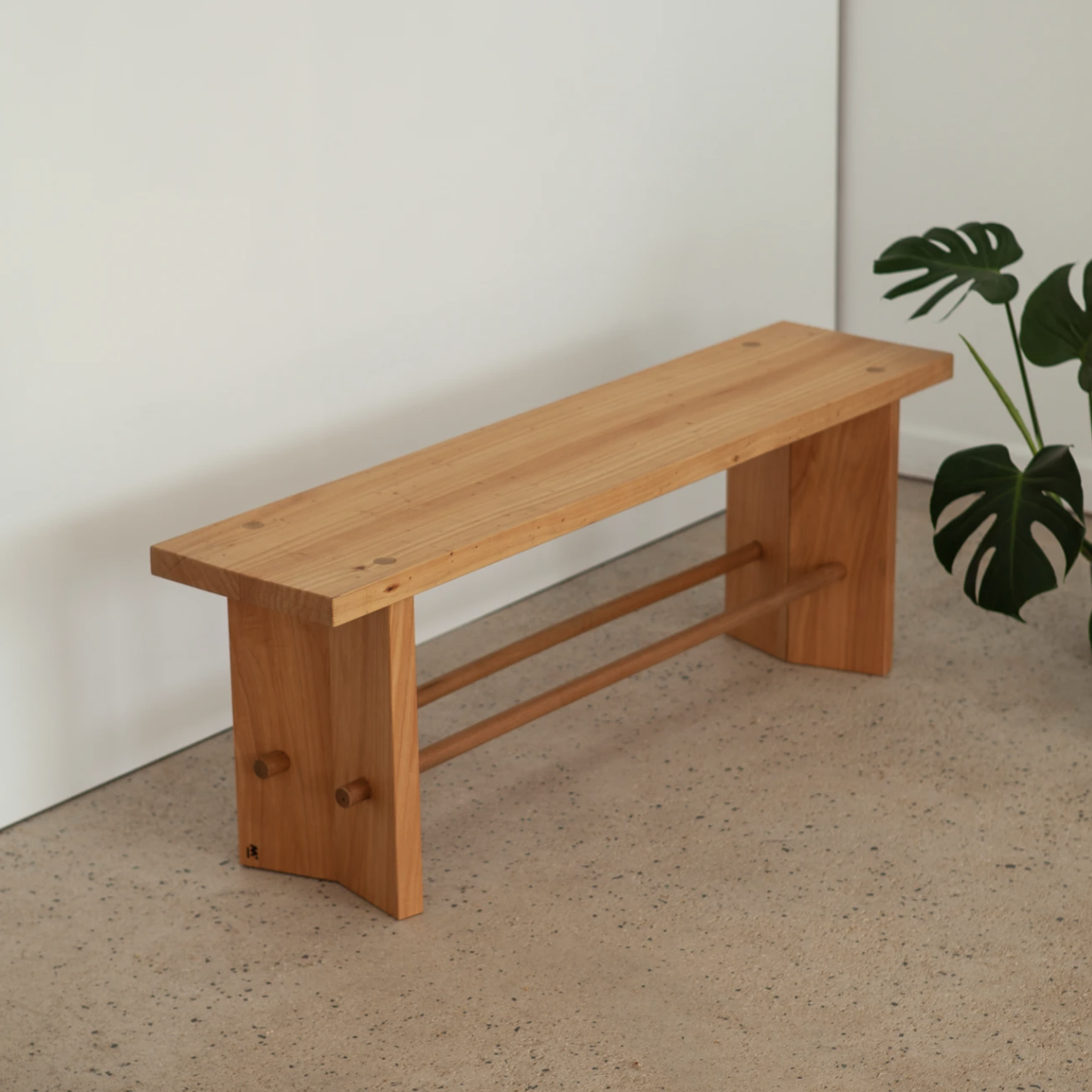
Leo Wolff has been tinkering away at a project only few would undertake. 112 days ago he embarked on a journey which saw him craft 100 custom made pieces, one a day… from scratch. From chopping boards to chairs, he began each day in his studio with nothing but a blank slate and an idea. Chiseling and chopping away, each day a new and unique object came to life. We spoke with Leo about his undeniably mammoth task at hand and the importance of rediscovering the art of sensible design.
Hi there Leo. Firstly, We think the project you're undertaking is pretty incredible. And slightly mammoth! Can you tell us a bit about the project and what sparked you to begin its journey?
Thank you! It is certainly a little mad. One of the biggest struggles many designers and creative folk face is producing consistent output. I'm right up there with the best perfectionist procrastinators. Designing and actually having to build *and* ship 100 pieces of furniture in 100 days is a total rebellion against my lazy lizard brain (as author Seth Godin likes to call it). There's this sort of chasm of unknowns between concept and execution in any project that you have to learn to dance with. The best way to get better at dancing with these unknowns is through consistent practice. It had always been a dream to explore more of my own designs, but as most creators will know, it's incredibly difficult to work without constraints. You can easily become your own worst client. Moving into my new workshop, which came with an empty showroom attached, was the real incentive that finally pushed me over the proverbial edge. Once I had (giant) signage plastered across the front of the showroom I realised I had better start filling it up with the goods stat.
I thought to myself, "If not now, when?"
Where do the ideas come from for each piece? Do you plan ahead or dive in and see what fruitions on the day?
For this prototype series most of the pieces are designed on the fly as I build them. Starting with a function in mind and then drawing inspiration from the materials I have on hand. Sometimes I'll do a quick sketch on a post-it note to clarify the form, but I intentionally put myself under time pressure to prevent too much overthinking and encourage making.
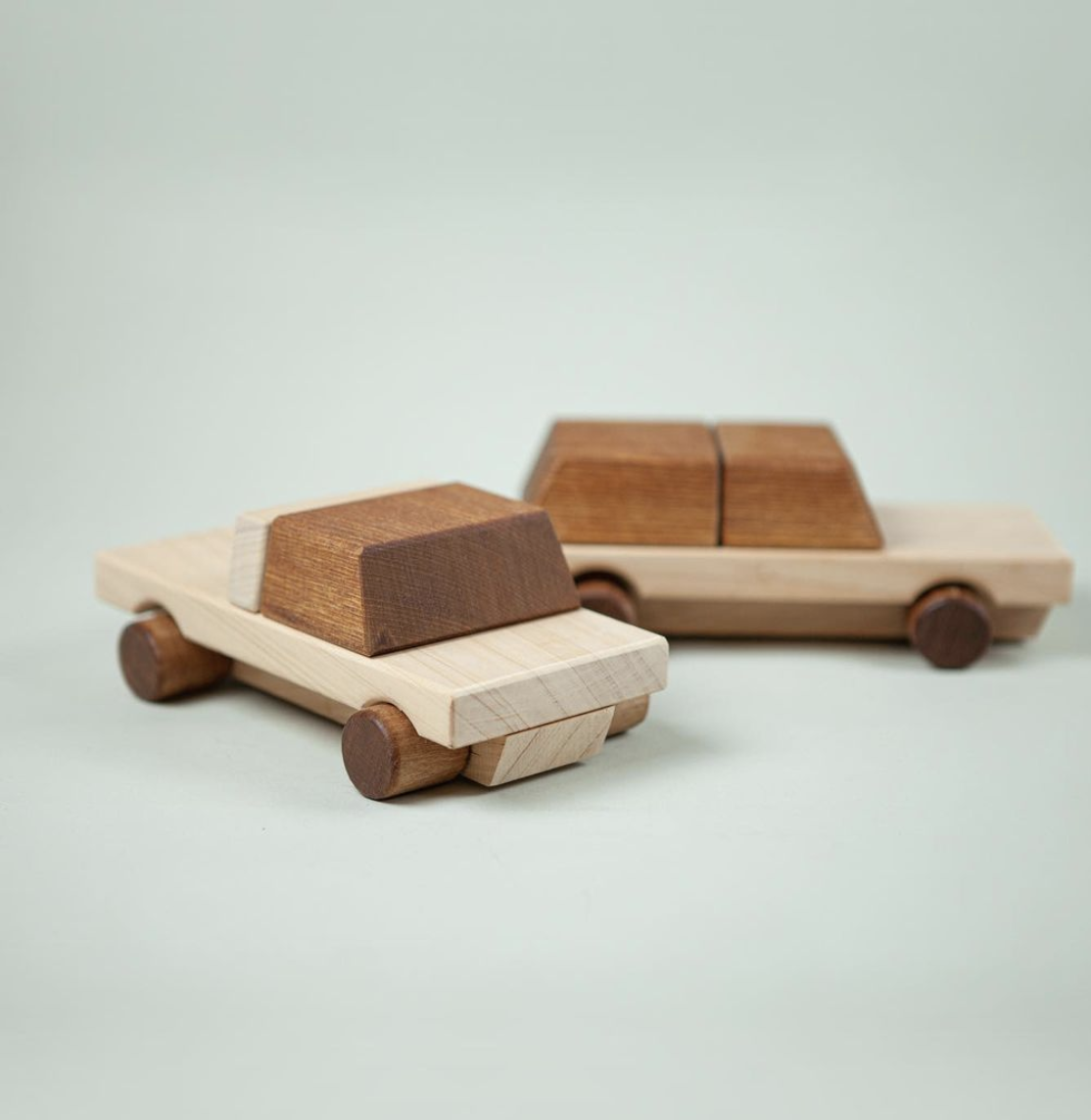
Prototype #79 - Lowrider Series in Macrocarpa + Rimu.
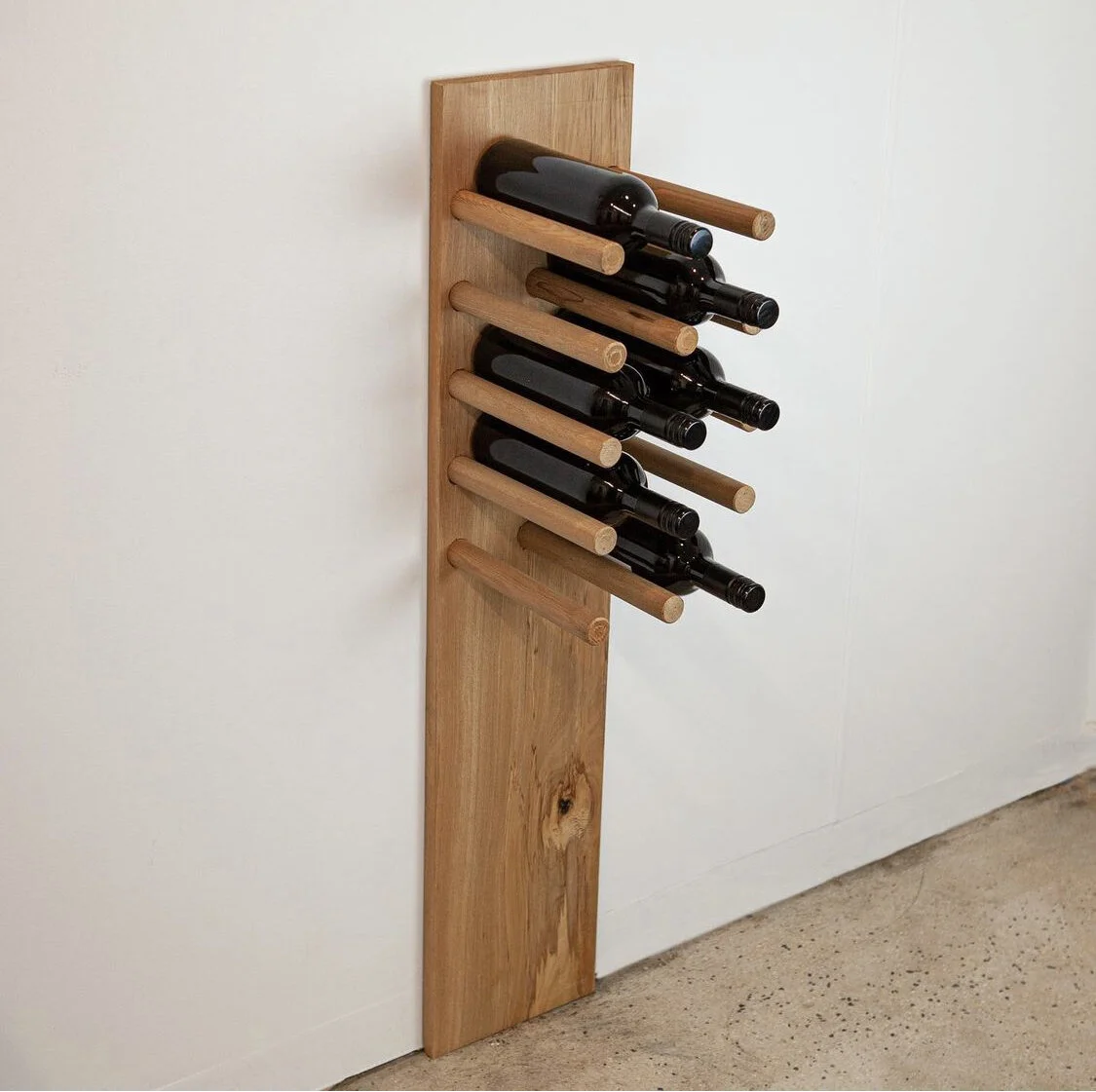
Prototype #70 - Sutikku (スティック) Wine Rack in Reclaimed Rimu.
“My pieces draw influence from both Scandinavian and Japanese furniture and design sensibilities. There are certain similarities and shared values, such as simplicity of form and respect for materials, that really resonate with me.”
“Sadly due to its popularity this design aesthetic has led to an epidemic of mass produced, short lifespan products. People happily spend money on mass produced replica furniture without a second thought as to what it’s made of, where that material comes from and what its true cost is (in terms of environmental and societal impact).”
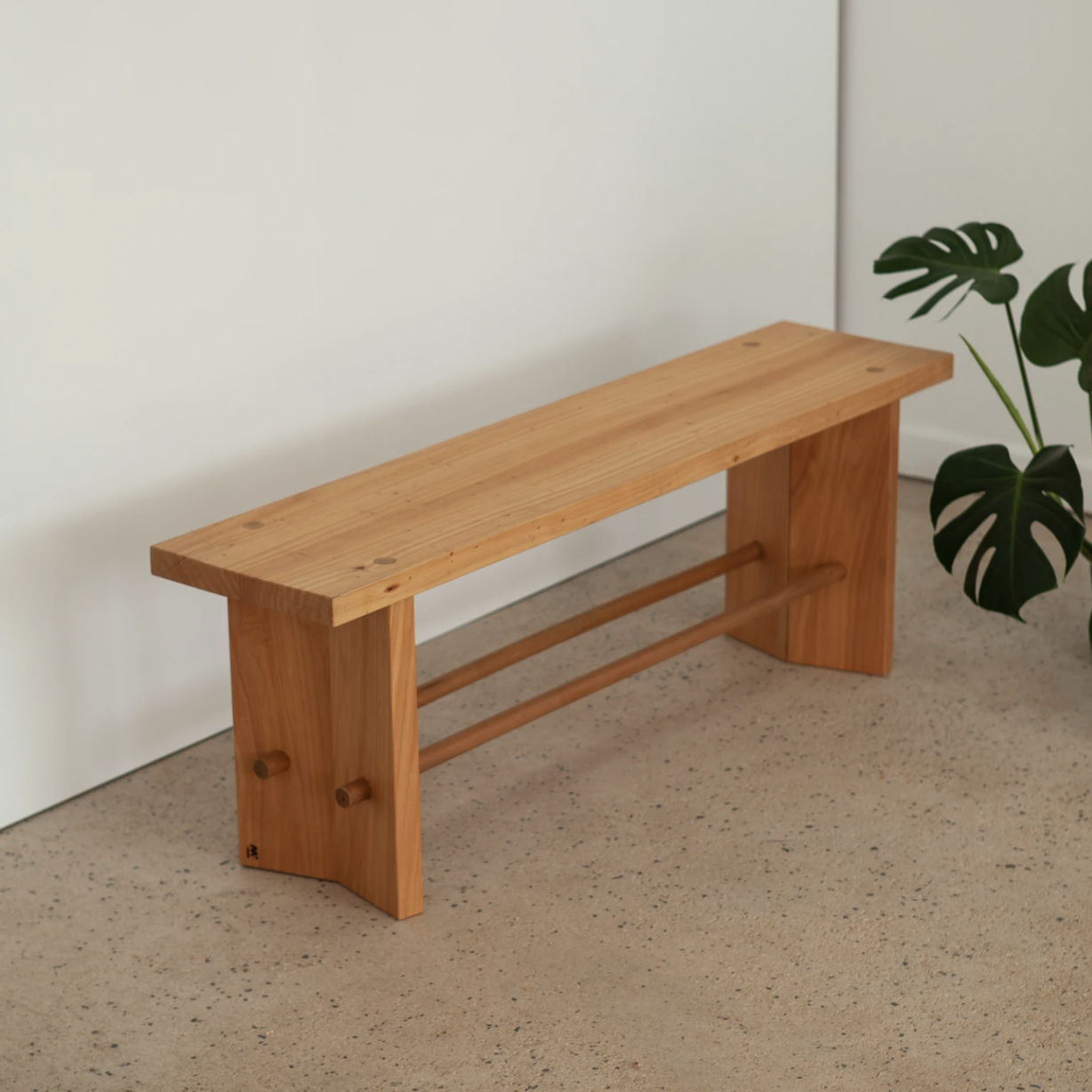
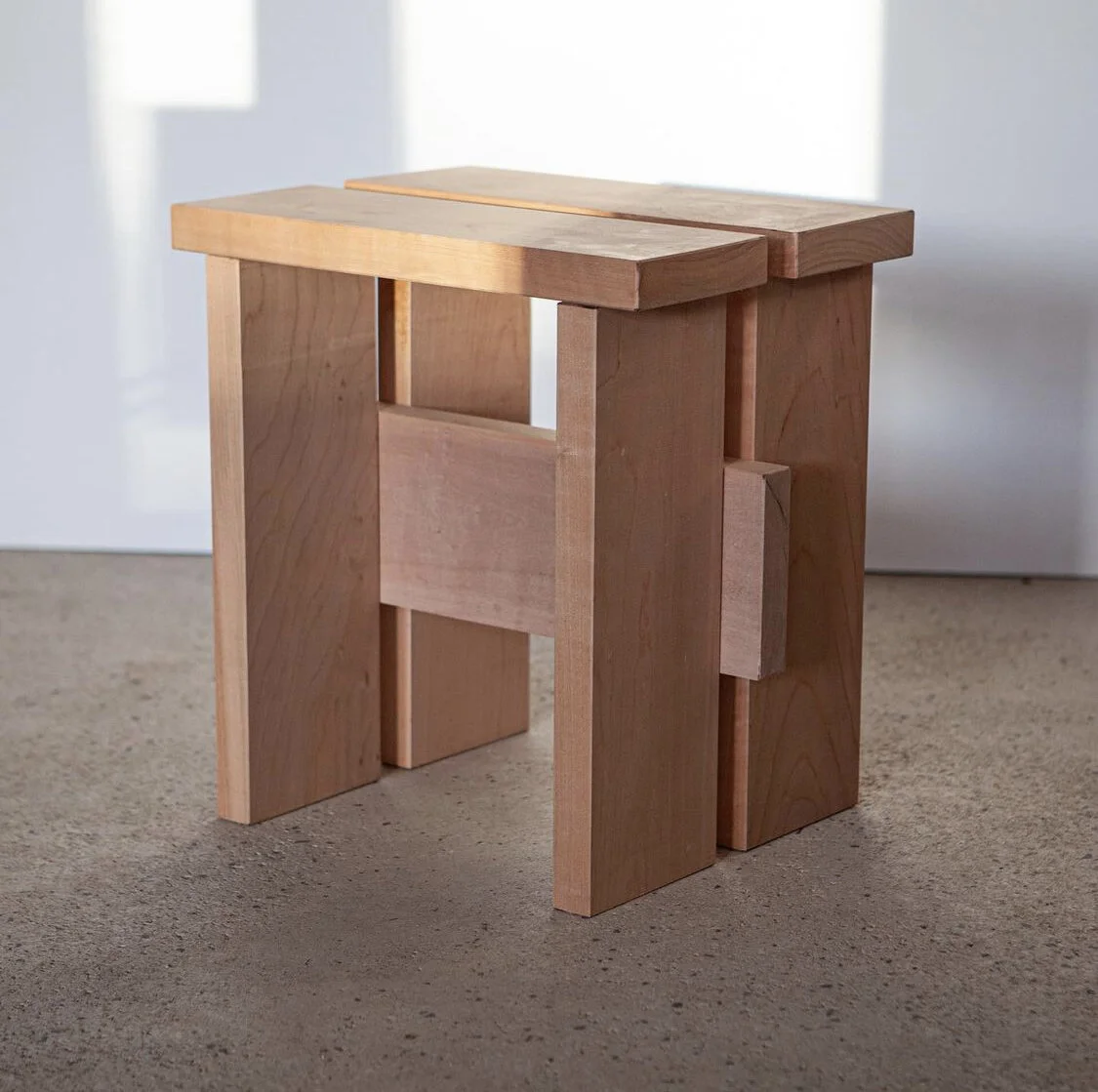
Prototype #68 - Stadik Stool in NZ Silver Beech.
Do you challenge yourself by making pieces that you wouldn't necessarily find easy? Or tread the waters lightly?
Part of the appeal of producing so many pieces has been the opportunity to try a lot of new techniques I wouldn't usually attempt. Exploring new territories inevitably leads you through occasional rough terrain and the odd bramble patch! As I'm still working on commission pieces alongside the daily prototypes I've had to let my schedule dictate the complexity of each piece to a degree. Though you never really know how long a new piece will take to complete – so that's part of the fun, and frustration. One huge unexpected benefit of rapid prototyping has been the insight gained. It has brought me into a much better understanding as to how long different construction techniques take, and how much and what type of timber is required for different pieces. Insights that might take years to learn in a traditional furniture making practice.
You mentioned that each piece will be available to buy. Can you let us know where we can find these one off pieces?
Most of the pieces are available on my store at Leo Wolff or you're welcome to call past the workshop and showroom at 305 Vogel Street if you're in Dunedin.
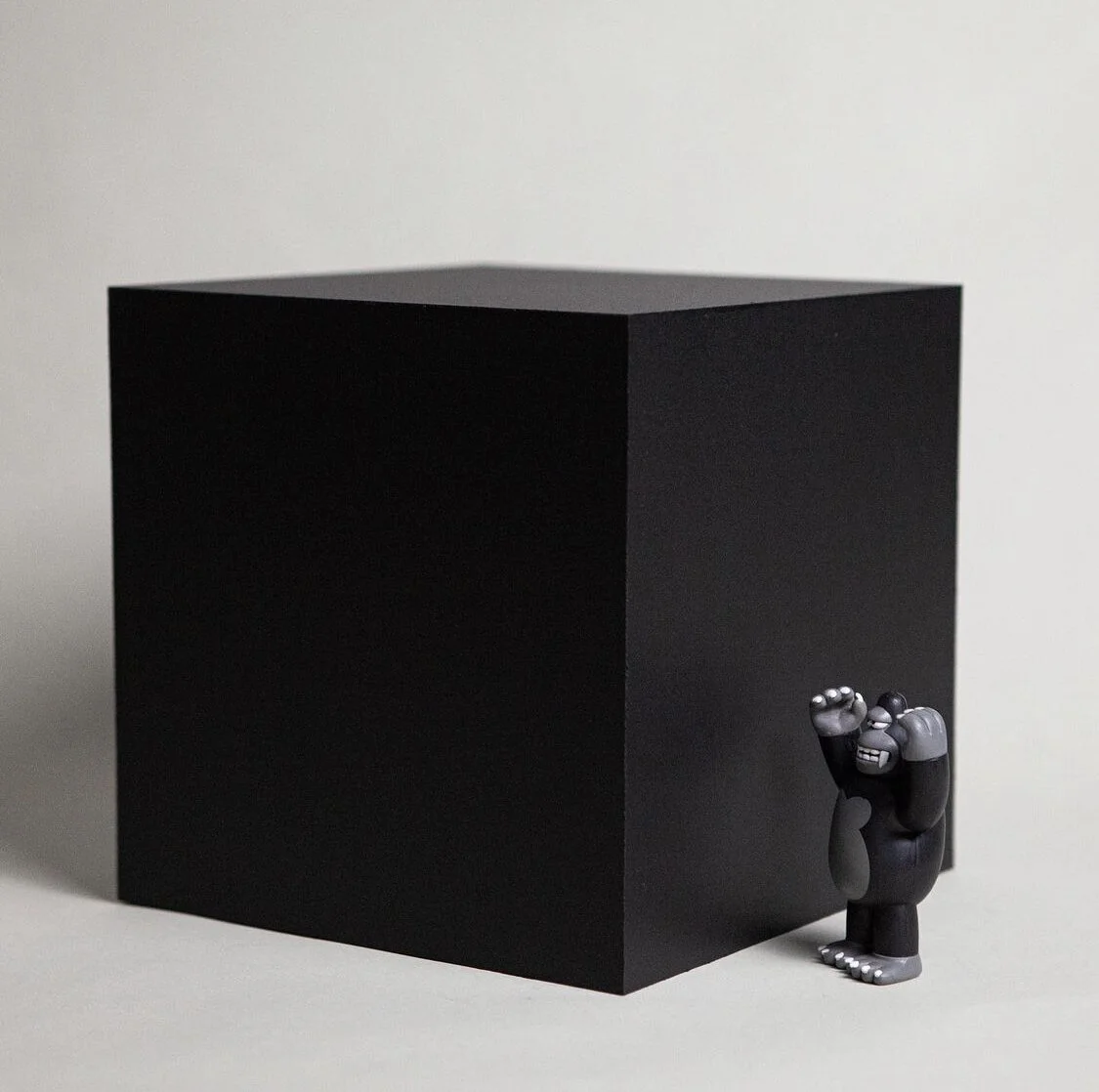
Prototype #100 - Monolith. A blank artefact, with no discernible joins, marks the beginning of a new era for hominid furniture. Also doubles as a chalk board because what hominid doesn’t like to practice their cave art skills while contemplating the meaning of life.
“My hope is that the pieces I make can help to reverse this trend, and raise awareness of the craft and values that more traditionally produced furniture embodies. Respecting the environment and directing money back into the local community and economy.”
More ‘Interviews’ On Nest Journal